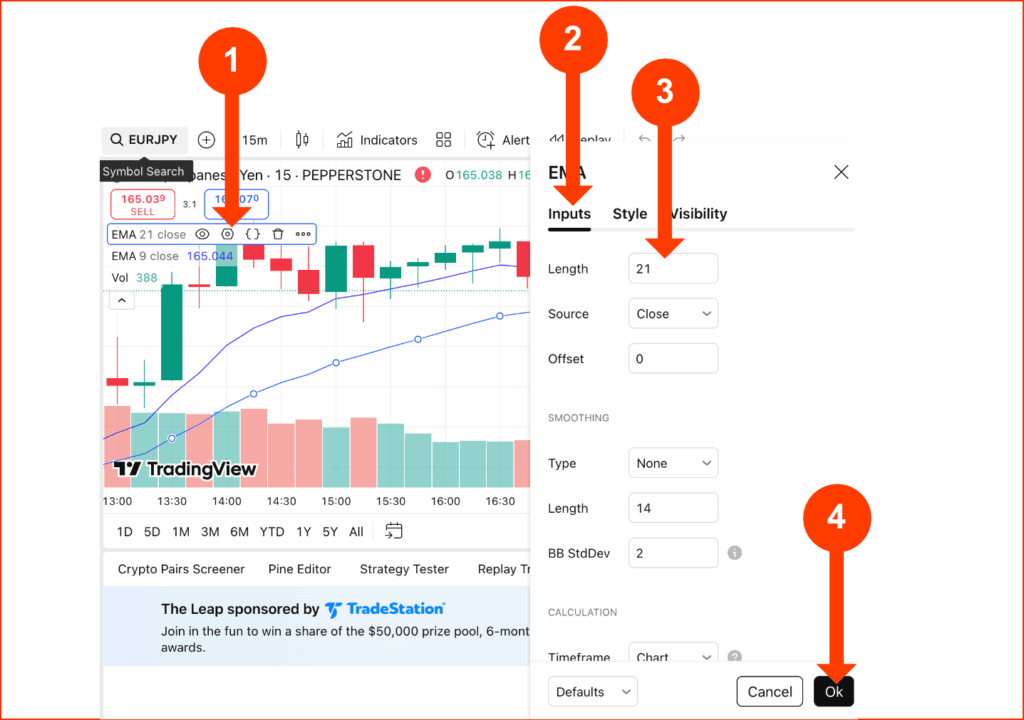
Identifying buying and selling pressure is a critical part of masterful forex trading. It is crucial for anticipating potential market reversals or continuations. Traders can spot these forces through volume analysis, price action patterns, and specialized indicators available on platforms like TradingView, while brokers like Pepperstone provide the tight spreads needed for precise entries.
Key Methods to Gauge Market Pressure
Buying and selling pressure manifests through several clear technical signals. The most reliable approach combines volume analysis with price behavior, as institutional activity leaves identifiable footprints in the market structure.
- Volume spikes – Unusual trading volume confirms strong buying/selling interest
- Order flow analysis – Depth of Market tools show pending orders stacking on one side
- Candlestick patterns – Long wicks show rejection, solid bodies indicate conviction
- Cumulative Delta – Measures net buying vs selling volume in futures markets
- RSI divergences – When price makes new highs but momentum doesn’t confirm
- Volume-Weighted MA – Price trading above/below this line shows dominance
Forex Pressure Analysis FAQs
How to use volume to spot buying pressure in forex
Look for increasing volume on up moves with large bullish candles
What are the best indicators for measuring selling pressure?
OBV (On Balance Volume) and Volume Profile show where sellers dominate
Why does buying pressure sometimes not lead to higher prices?
Can indicate absorption by larger players before a reversal
How to read order flow in forex without futures data
Use tick volume and price rejection patterns as proxies
Most reliable time frame for identifying genuine pressure
1-hour and 4-hour charts filter out noise while remaining responsive
How economic news affects short-term buying/selling pressure
News events create temporary imbalances that often correct within hours
Final Thoughts
Accurately identifying buying and selling pressure gives traders a significant edge in timing entries and exits. Platforms like TradingView provide the necessary tools, while quality brokers like Pepperstone and IC Markets ensure you‘re seeing genuine market dynamics rather than artificial liquidity.
Whether you’re a day trader or swing trader, understanding these pressure points helps you trade with the smart money rather than against it. Mastering this skill transforms reactive trading into proactive opportunity capture.
Trade Smarter with Pepperstone

Pepperstone

Elias Stroud is a professional forex trader and market analyst with over eight years of experience. His journey began with the common misconception that trading was a get-rich-quick scheme, a path that led to significant early losses. It was this initial failure that forced a pivot towards disciplined, long-term learning and strategy development.
Today, Elias specializes in price action analysis, focusing on identifying high-probability setups without relying on complex indicators. He has cultivated a premium-level trading account, a direct result of his commitment to a structured and professional approach to the markets. Elias is passionate about sharing the actionable insights and foundational principles that helped him transform from a novice to a consistently profitable trader.
For further verification of his professional standing and live trading credentials, please visit the “About Us” page where account confirmation screenshots are provided, along with links to his trusted broker, Pepperstone, and his primary charting platform, TradingView.